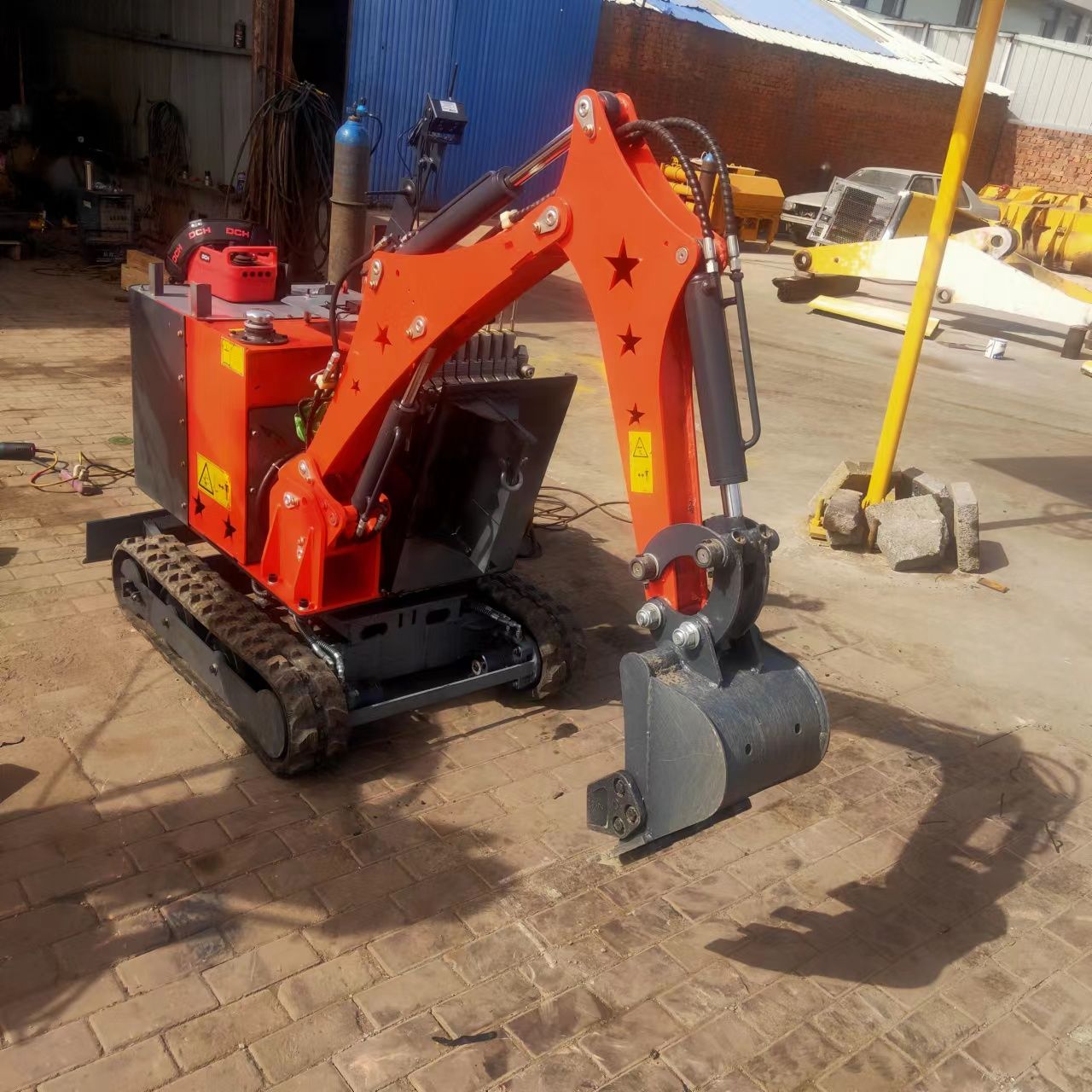
1.5Ton Remote Control Mini Excavator
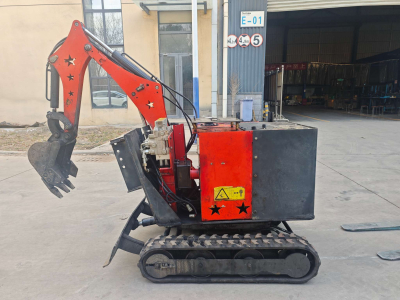
The 1.5-ton remote control mini excavator is a small, flexible construction machinery equipment with remote control operation function
This 1.5-ton remote-controlled electric excavator is flexible, efficient and convenient to operate. It is particularly good at working in narrow and complex conditions and has the following significant advantages:
Flexibly adapt to narrow Spaces
The body design is compact, allowing it to easily enter indoor decoration sites, narrow streets and alleys, small gardens and other areas where large equipment is difficult to operate. It can flexibly complete tasks such as excavation and transportation in limited Spaces, significantly improving construction efficiency.
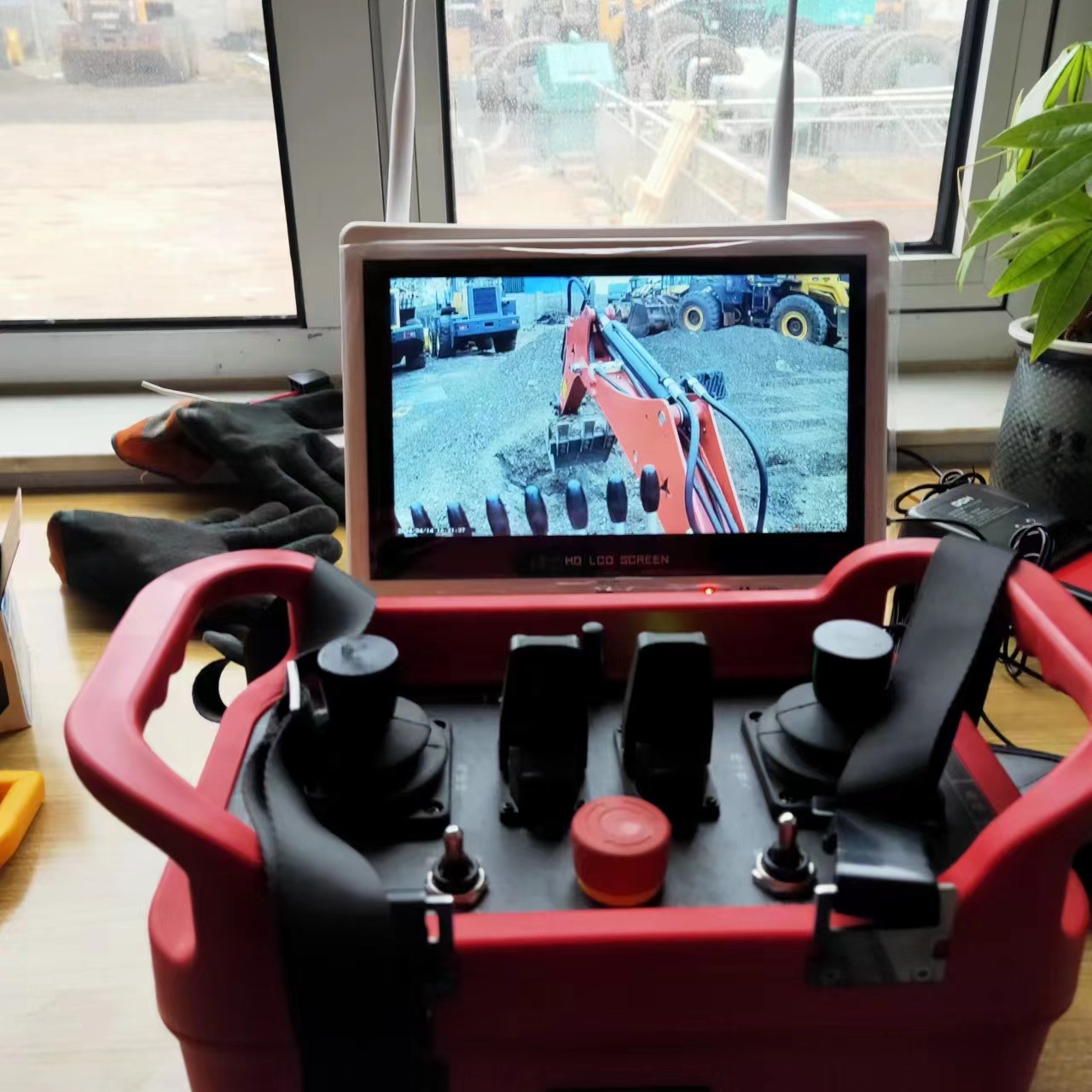
remote control operation, safe and precise
It supports remote wireless control, allowing operators to stay away from high-risk environments such as landslides, toxic gases, and falling objects, and precisely control the equipment from a safe position. This not only ensures personal safety but also enables more precise operation actions, which is conducive to improving the quality of the project.
it is convenient for transfer and has strong passability
The whole machine weighs only 1.5 tons and can be transported by ordinary pickup trucks or light trailers without the need for large special vehicles, significantly reducing the cost and time of transfer. The equipment has low requirements for roads and sites. Even on rural roads or temporary sites with weak load-bearing capacity, it can quickly enter the site and flexibly carry out construction.
rich in functions and economical and practical
It offers a quick replacement function for various attachments such as buckets, breakers and grabs, and can be widely applied in diverse scenarios like earthwork, crushing and handling. It is multi-functional and cost-effective. The equipment has a low purchase threshold, making it especially suitable for small and medium-sized construction teams or individual business operators, with a high return on investment.
Specification | Main parameter | Main performance | Main parameter |
Working weight | 1520Kg | Travel speed (high/low) | 3.2/2.3(Km/h) |
Motor | permanent magnet synchronous motor | Rotation speed | 10r/min |
Motor weight | 20Kg | climbing capacity | 50.6° |
Rated power | 8.5KW/2000rpm | ground pressure | 0.028MPa |
Peak power | 15KW | bucket digging force | 12.2KN |
Rated torque | 49N·m | bucket rod digging force | 8.2KN |
Maximum speed | 2000r/min | Main pump capacity | 15mL/r |
Power battery | ternary lithium | Maximum system flow | 80L/min |
Nominal voltage | 144V | Main safety valve pressure | 24Mpa |
Nominal capacity | 150A·h | Overload working pressure | 27Mpa |
Total battery energy | 15/22KW·h | Dimensions | 2500*840*1380 |
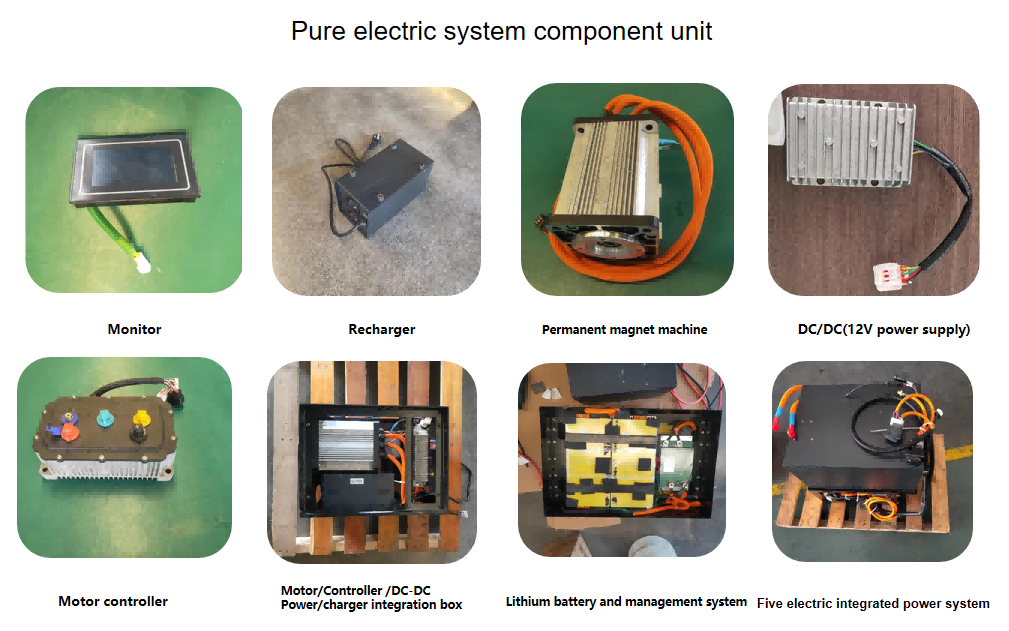
This 1.5-ton remote-controlled electric excavator is not merely a "small" excavator; it represents the new trend of the development of construction machinery towards intelligence, refinement and scenario-based application。
1. Unparalleled scene adaptability: Addressing the pain point of "being able to get in"
When confronted with the demands of modern and refined construction, traditional large and medium-sized equipment often "sighs at the door". The advantage of this device is first reflected in its outstanding spatial adaptability:
Extremely compact and pervasive: Its small body and the essential tailless rotation design enable it to freely rotate and operate 360° in extremely narrow Spaces with a width of only about 1 meter, such as indoor corridors, alleys in old residential areas, and greenhouses, completely solving the construction access problem of the "last few dozen meters".
Multi-terrain passability: Thanks to its lightweight body (1.5 tons) and reasonable ground contact pressure, it can easily pass through areas where large equipment cannot reach, such as rural soft ground roads, courtyard lawns, and indoor floor slabs (load-bearing verification required), without the need to build dedicated access roads, greatly expanding the working boundary.
2.Revolutionary Operational Safety and Precision: Redefining "How to Work"
It completely liberates operators from the dangerous, harsh and tiring traditional driving mode, bringing about a dual transformation in safety and efficiency:
Intrinsic safety upgrade: Remote control operation keeps personnel away from direct hazards such as landslides, falls, toxic gases, high temperatures, and noise. It is particularly suitable for high-risk scenarios such as emergency rescue and disaster relief, demolition of dilapidated houses, slag removal in front of high-temperature furnaces, and pipeline unblocking, ensuring personal safety to the greatest extent.
Ergonomic optimization: Operators can stand at the best Angle and control the equipment in a more comfortable and intuitive posture, reducing the fatigue caused by long-term sitting while driving, thereby enhancing the concentration of attention and the continuous stability of operation.
Millimeter-level fine control: Combined with an advanced electronic control hydraulic system, remote control operation can not only complete conventional actions such as excavation, rotation, and walking, but also achieve almost "surgical" precision operations, such as precise excavation of indoor trenches, laying of underground pipelines, and artistic landscape modeling. This level of precision is difficult for traditional manual rod operation to reach.
3. Outstanding Comprehensive Economy: Highlighting "High cost performance" and "Low holding cost"
Its economy is reflected in the entire life cycle from purchase, use to maintenance:
Ultra-low entry threshold: The purchase cost of the machine is much lower than that of medium and large excavators, reducing the financial pressure and usage threshold for individual entrepreneurs, small construction teams, and garden companies. It is an ideal "first" construction machinery.
Minimalist transfer and deployment: Only one pickup truck or light trailer is needed to complete the transfer, without the need to apply for special transportation vehicles and procedures. Fuel and transportation costs can be saved by more than 70%. After arriving at the site, the vehicle can be unloaded and put into operation within a few minutes, significantly enhancing the utilization rate of equipment and construction efficiency.
Low maintenance and energy consumption costs
Electric version: It uses home charging piles for energy replenishment, and the electricity cost is extremely low. The structure is simple. The maintenance of the three-electricity system (battery, motor, and electronic control) is much less than that of the internal combustion engine, and there are fewer failure points.
Fuel version: Compared with traditional devices of the same power, fuel consumption is significantly reduced.
Generalized design: The core hydraulic components and structural parts have strong universality, making it convenient and inexpensive to purchase spare parts. The technical threshold for maintenance and repair is low, further reducing the long-term holding cost.
4.Environmental Protection and Sustainability: In line with the requirements of the "green construction" era
Zero-emission operation (electric version) : When working in places with strict environmental requirements such as indoors, ecological parks, and water sources, it can achieve zero exhaust emissions and low-noise operation, completely not disturbing the surrounding residents or the ecological environment. It is the preferred solution for green construction.
In line with policy orientation: As global requirements for carbon emissions and environmental protection become increasingly strict, electric construction machinery is a clear development direction for the future. Early investment in electric equipment is forward-looking.
Summary and application scenario profiling
In conclusion, the core advantage of the 1.5-ton remote-controlled electric excavator lies in its innovative technical means, providing a comprehensive solution that is safe, efficient and economical for the "small, narrow, dangerous and precise" operation demands that traditional construction methods cannot efficiently address.